
Buying · 8 min read
Non-Warrantable Condo Financing in California (2026)
QUICK ANSWER
A non-warrantable condo doesn’t meet Fannie Mae/Freddie Mac rules — often due to high investor concentration, litigation, high HOA delinquency, or too much commercial space. Conventional lenders decline them, but portfolio and non-QM lenders finance them, usually with a larger down payment and slightly higher rate.
You found the perfect California condo, got pre-approved, and then the loan fell apart in underwriting — not because of you, but because of the building. That’s the non-warrantable condo problem. Here’s what makes a condo non-warrantable in 2026, and how to finance one anyway.
What makes a condo “non-warrantable”
Fannie Mae and Freddie Mac “warrant” condo projects that meet their rules. A condo becomes non-warrantable when the project fails one, such as: more than ~50% of units are investor-owned (rented), a single entity owns too many units, there’s active litigation, HOA dues are heavily delinquent, too much of the building is commercial, or reserves are inadequate. It’s the building, not the borrower, that fails.
Why it matters in California
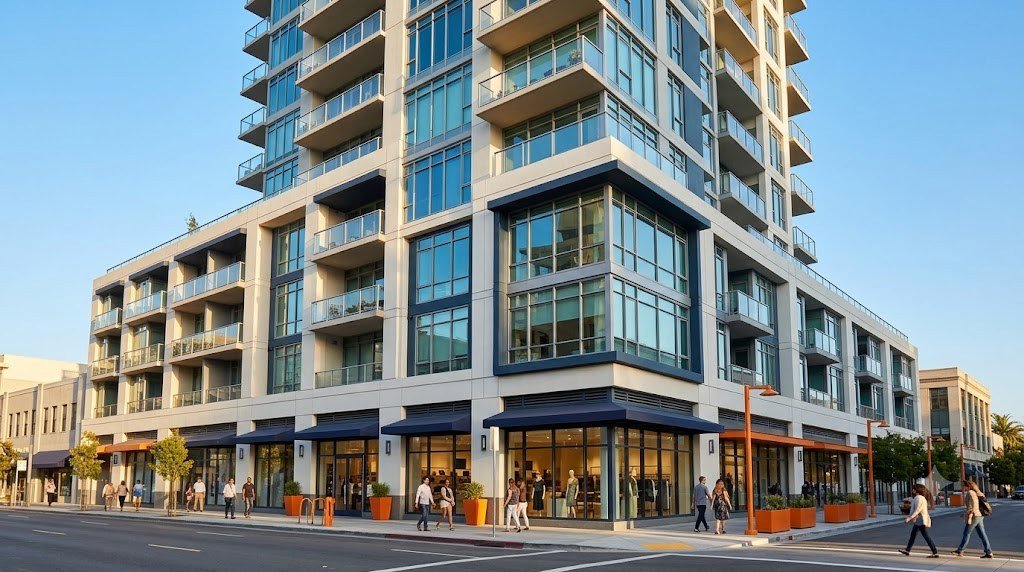
California has a lot of these — downtown high-rises with commercial ground floors, resort and short-term-rental buildings with high investor ratios, new construction still controlled by the developer, and older projects with deferred-maintenance litigation after recent inspection laws. Great units, no conventional loan.
How to finance a non-warrantable condo
Portfolio and non-QM lenders keep these loans on their own books instead of selling to Fannie/Freddie, so they set their own condo rules. Expect a larger down payment (often 20–25%), a modestly higher rate, and underwriting that still reviews the HOA — but with far more flexibility on investor ratios, commercial space, and single-entity ownership. Investors buying to rent can also use a DSCR loan.
Do your homework early
Before you fall in love with a unit, ask for the HOA questionnaire, budget, and reserve study, and find out the investor-occupancy ratio and any litigation. A broker who works with portfolio lenders can pre-screen the building so you don’t waste an escrow — and can price the loan accordingly.
Frequently asked questions
What is a non-warrantable condo?
It’s a condo in a project that doesn’t meet Fannie Mae/Freddie Mac guidelines — due to factors like high investor ownership, litigation, HOA delinquencies, or excess commercial space — so conventional lenders won’t finance it.
Can I get a loan on a non-warrantable condo in California?
Yes. Portfolio and non-QM lenders finance non-warrantable condos, typically with a larger down payment (around 20–25%) and a slightly higher rate, since they keep the loan on their own books.
How do I know if a condo is warrantable before buying?
Request the HOA questionnaire, budget, reserve study, investor-occupancy ratio, and any litigation disclosure early. A broker can pre-screen the building so a warrantability issue doesn’t surface mid-escrow.
Why did my condo loan get denied at the last minute?
Often the borrower is fine but the condo project failed a warrantability rule — too many rentals, litigation, or commercial space. A portfolio or non-QM lender can usually still finance it.
Related reading
Found this useful? Pass it on.
If this helped you make sense of your options, send it to someone who needs it — a friend buying their first place, a family member weighing a refinance, a colleague comparing lenders.
Tip: highlight any sentence in the article to share it as a quote.