Homebuying · 5 min read
What Is a 2-1 Buydown? (California 2026)
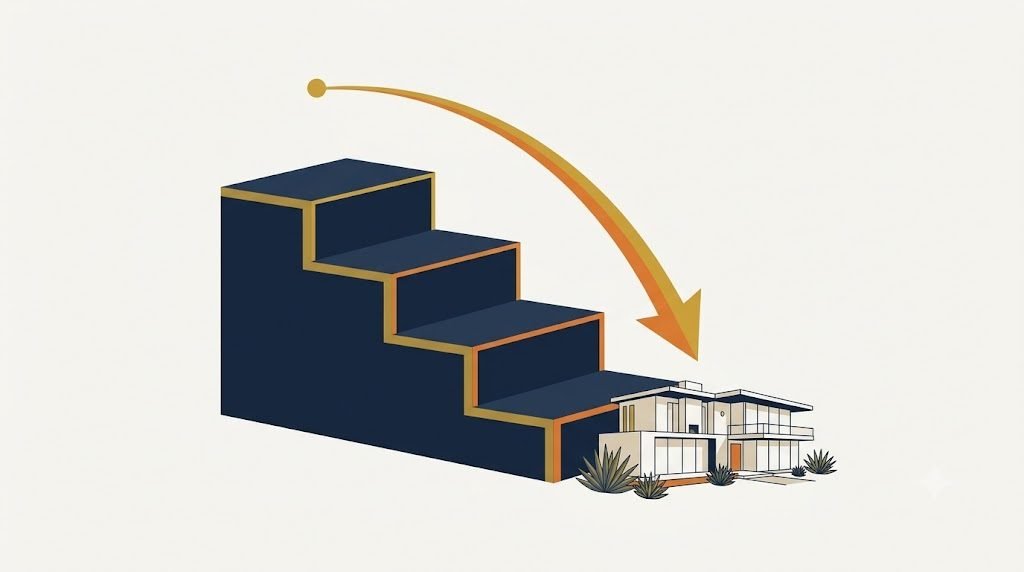
A 2-1 buydown temporarily reduces your mortgage rate by 2 percentage points in the first year and 1 point in the second year, then it returns to the full note rate for the remaining term. The cost — the difference between the reduced and full payments — is paid upfront, usually by the seller or builder, into an escrow account. It's a way to ease into payments or win a deal when sellers offer concessions.
How does a 2-1 buydown work?
If your permanent rate is 7%, a 2-1 buydown means you pay as if the rate were 5% in year one and 6% in year two, then 7% from year three on. The savings are pre-funded into an escrow account at closing and released each month to cover the gap. Model the payments with our mortgage calculator.
Who pays for a 2-1 buydown?
Usually the seller or builder as a concession — a common tactic in a slower market to make a home more attractive without cutting the price. Buyers can also pay for it themselves. Either way, the full cost is deposited upfront. This differs from permanent discount points, which lower the rate for the entire loan.
2-1 buydown vs. permanent points
| 2-1 Buydown | Discount Points | |
|---|---|---|
| Rate reduction | Temporary (2 years) | Permanent |
| Best when | Rates expected to fall; seller pays | You'll keep the loan long-term |
| Who usually pays | Seller/builder | Buyer |
When does a 2-1 buydown make sense?
It shines when a seller is offering concessions, when you expect to refinance within a couple of years if rates drop, or when you want lower initial payments while your income ramps. If rates don't fall and you keep the loan, you'll face the full payment in year three — so qualify at the full rate. Compare with a conventional loan at par.
Frequently asked questions
What is the difference between a 2-1 buydown and buying points?
A 2-1 buydown lowers your rate temporarily — 2% in year one, 1% in year two — then returns to the full rate. Discount points lower your rate permanently for the life of the loan. Buydowns are often seller-paid; points are usually buyer-paid.
Do I qualify based on the reduced rate or the full rate?
You qualify at the full (note) rate, not the temporary reduced rate. Lenders underwrite to the permanent payment to ensure you can afford it once the buydown period ends in year three.
What happens if I refinance during the buydown period?
If you refinance or sell before the buydown funds are used up, the remaining balance in the escrow account is typically applied to your loan payoff — so you don't lose the unused portion.
About this guide: Save Financial is a California-licensed mortgage broker (NMLS #377740, DRE #01875766) serving all 58 counties. Get a custom quote or call 949-379-5320.